Positive visualization: techniques to achieve your goals

In the world of sports, and more specifically in high competition, we use visualization to help us get the best out of ourselves in training and competition. But, although it may seem hard to believe, positive visualization is a method that we often apply to any human activity: I am absolutely sure that before making an important phone call you have mentally reviewed what you were going to say, right? Well, in the same way, through mental visualization you can prepare yourself to perform tasks and respond more effectively.
| YOU MAY BE INTERESTED IN |
|---|
| 1. Qualities of an entrepreneur |
| 2. The happiest professions in the world |
| 3. 8 hours of work: myth harmful to health |
"Types of positive visualizations to achieve your goals.
Mental visualization
Mental visualization gives you the opportunity to effectively address a problem before you encounter it in real life. If you have already faced the problem, practiced how to deal with it and have overcome it in your mental reality, chances are that in real life it will no longer present any difficulty.

There are infinite practical applications of this method: for example, we can use this system before approaching an interview or before giving a lecture or a workshop, as it will prepare us to respond more effectively.
Here are some tips to follow to train mental visualization:
- Imagine the perfect interview
- Listen to your feelings
- Correct your skills mentally
- Focus on what you want to do
- Remember what you need to focus on to get it right.
- Improve your visualization skills
- Sets the stage for better performance
But how can we benefit from the visualization technique for our work?
Positive visualization for productivity
Visualization is integral to behavior change and the formation of new habits. The more we visualize ourselves doing an activity, the stronger the neural connections we are associating with that new habit.
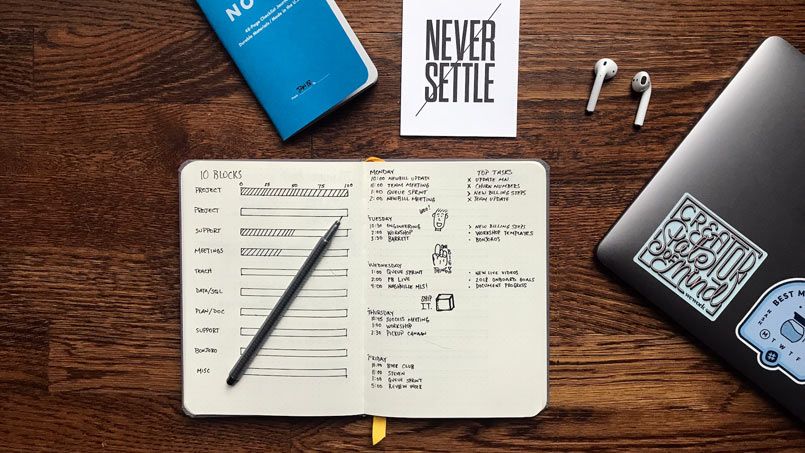
Let's imagine for example, as is our case, that we want to improve our productivity over the next few months. One way to increase our sense of control and improve our performance is to reduce the number of distractions we face. While this may not always be so easy, depending on our work, our home situation or other environments we frequent can influence, helping or hurting us depending on the environment we have (obviously we recommend frequenting our productivity-oriented coworking space in Madrid ).
Let's take a look at some constructive ways we might start. Where to begin and what to do? Here are some suggestions:
- Create a mental movie of a situation in which you experience distractions.
- Visualize some of these scenes and identify challenges
- Identify possible techniques to overcome the challenges you are visualizing.
- Set a realistic short-term goal to reduce or stop distractions
- Practice using visualization to monitor what is being accomplished and what needs to change
And now imagine how good we will feel when we achieve that small step. Whether at home or in the coworkingConstant interruptions create stress and lead to incomplete work. Quiet thinking time is a necessity that we need to fill in any environment. Visualization helps to create, plan and solve problems. And taking it a step further, we can pair visualization with productive self-talk. For example, saying out loud the positive consequences of the task we are imagining.
3. Positive visualization for stress management and to reduce distractions.
We need to relax before using visualization so that all our creative energy is available. But what about those who "can't relax" or find it difficult? Visualization and guided imagery have been used as a stress management strategy. In such cases, you can visualize a peaceful, relaxing scene and imagine how all the senses are activated. For example, imagine the sights, sounds, smells, and feelings of the scene. Visualization is combined with deep breathing to help us de-stress.

Ultimately if you want to increase your productivity and need a new way to decrease distractions, try using positive visualization. The more senses you use in conjunction with visualization, the easier it is to gain and maintain positive habits.
Visualization is a tool that may take practice, but the time spent in acquiring these new skills is well worth it. Imagine, visualize it! It will help you improve performance and productivity, reduce stress and distractions, help you achieve your goals, and it's a simple, cost-effective strategy that anyone can implement at any time. It's not too late to put it into practice!

AUTHOR: CARLOS LLERENA
IT executive, entrepreneur, communicator and academic with international trajectory, expert in technology, marketing, project management and complex problem solving.
 Contents